Skip to content

Table of Contents
Collagen and elastin are essential proteins that maintain skin structure, firmness, and elasticity, yet aging, injuries, and certain medical conditions can slow their production. For medical professionals, researchers, and patients in regenerative medicine, understanding how to stimulate these proteins naturally is key. PDGF (Platelet-Derived Growth Factor) has emerged as a significant factor in this process. At Aspire Aestheticsin Corpus Christi, TX, we provide PDGF therapy to enhance wound healing, restore skin vitality, and support tissue regeneration. Many patients and clinicians seek PDGF for its ability to address slow healing, skin aging, and limited access to effective regenerative treatments while offering a scientifically supported approach to collagen and elastin production.
What is PDGF?
PDGF, or Platelet-Derived Growth Factor, is a naturally occurring protein in the body that regulates cell growth, division, and repair. It is especially important for connective tissues, directing fibroblasts—the cells responsible for producing collagen and elastin. PDGF exists in multiple forms, such as PDGF-AA, PDGF-BB, and PDGF-AB, each binding to specific receptors on the surface of target cells. This binding activates cellular processes that encourage tissue repair and regeneration, which is critical for skin health and regenerative medicine.
Fibroblasts, activated by Platelet-Derived Growth Factor, produce collagen to strengthen tissues and synthesize elastin fibers to maintain skin flexibility. Without proper Platelet-Derived Growth Factor signaling, fibroblasts can remain inactive, leading to slower wound healing and reduced skin quality. For healthcare providers and researchers, understanding PDGF’s role in cellular repair helps guide its use in advanced regenerative treatments.
The PDGF Signaling Pathway
The effectiveness of Platelet-Derived Growth Factor lies in its PDGF signaling pathway. When Platelet-Derived Growth Factor binds to its receptor on the cell surface, it triggers a series of intracellular events, including activation of pathways like MAPK (mitogen-activated protein kinase) and PI3K (phosphoinositide 3-kinase). These pathways regulate cell survival, proliferation, and migration, all of which are essential for tissue repair.
For fibroblasts, Platelet-Derived Growth Factor signaling promotes proliferation and directs cells to areas requiring collagen and elastin synthesis. In essence, PDGF signals an increase in cellular activity and promotes tissue repair. Clinicians can leverage this knowledge to optimize Platelet-Derived Growth Factor therapy, enhancing outcomes for wound healing, non-surgical skin rejuvenation, and regenerative applications.
Collagen Production Stimulated by Platelet-Derived Growth Factor
Collagen is the primary structural protein in the skin, providing strength and support. Platelet-Derived Growth Factorstimulates fibroblasts to produce collagen by activating the cellular machinery responsible for synthesizing procollagen, which is later converted into mature collagen fibers. This process strengthens tissues and accelerates recovery from injuries, surgical procedures, or chronic wounds.
Research shows that fibroblasts exposed to PDGF increase collagen production, which improves skin thickness, resilience, and texture. For medical professionals, this effect is particularly valuable for patients with delayed wound healing, surgical scars, or areas requiring enhanced tissue support. Integrating Platelet-Derived Growth Factor therapy can amplify the body’s natural repair mechanisms, making it an effective complement to other regenerative treatments.
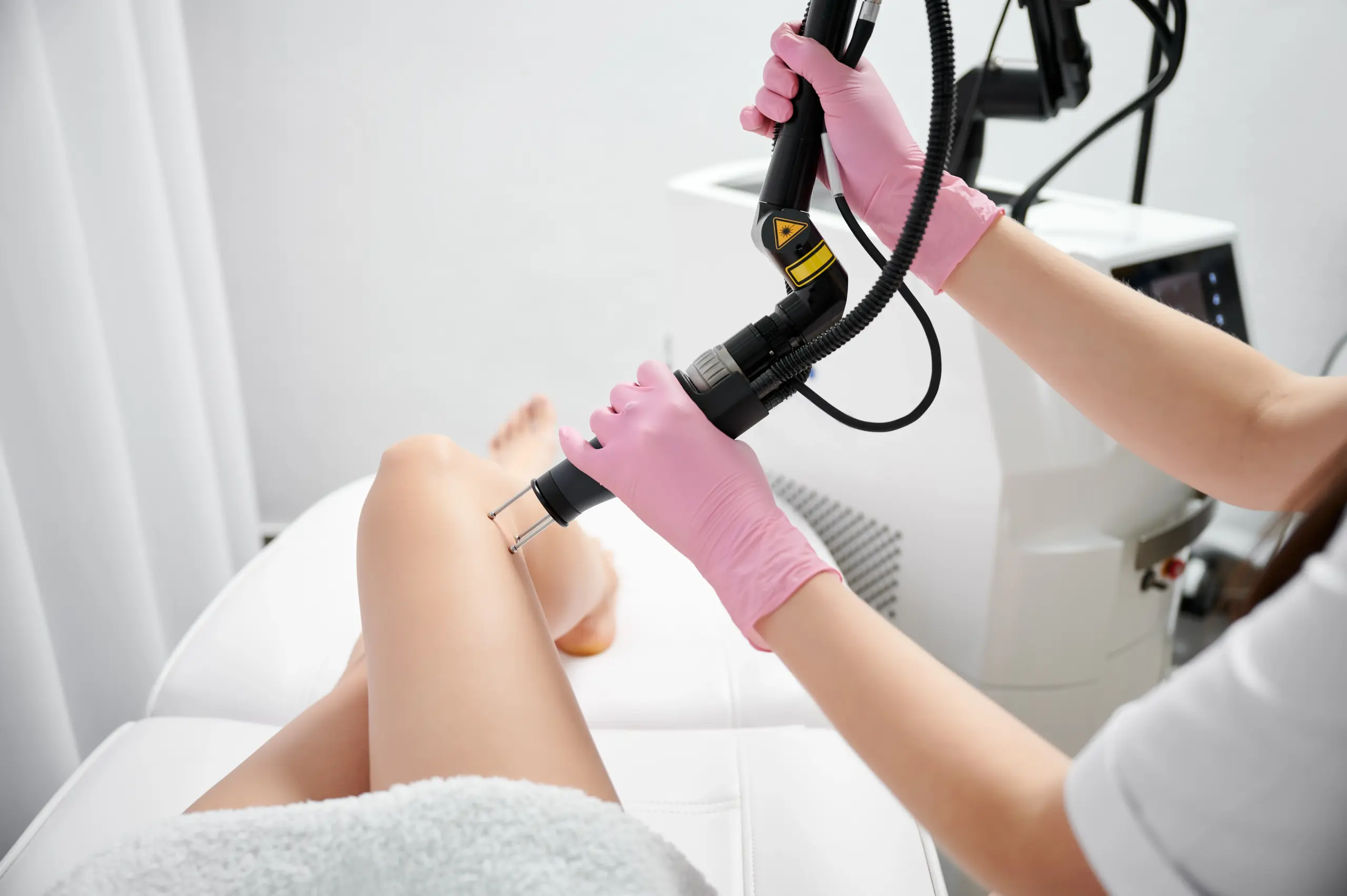
Moreover, PDGF for skin rejuvenation can work synergistically with procedures like microneedling or laser therapy. By stimulating fibroblasts before or after these treatments, Platelet-Derived Growth Factor enhances collagen deposition, leading to improved outcomes and more consistent results. This combination approach is especially appealing to clinicians and patients aiming for faster recovery and more noticeable skin rejuvenation.
Elastin Production Stimulated by Platelet-Derived Growth Factor
While collagen provides structure, elastin ensures the skin remains flexible and resilient. Fibroblasts also produce elastin fibers, but production slows with age, tissue damage, or chronic injury. Platelet-Derived Growth Factor plays a key role in stimulating elastin synthesis, helping repaired tissue retain its functional elasticity.
Through PDGF signaling, fibroblasts organize and mature elastin fibers more effectively. This process improves skin stretch and recoil, which is critical in aesthetic and dermatological applications. Patients with sagging skin, fine lines, or reduced tissue elasticity may benefit from Platelet-Derived Growth Factor therapy, which targets both tissue strength and flexibility. By enhancing elastin alongside collagen, Platelet-Derived Growth Factor therapy addresses multiple aspects of skin health, improving resilience and overall appearance.
Clinical Applications of Platelet-Derived Growth Factor Therapy
The dual impact of Platelet-Derived Growth Factor on collagen and elastin has made it a cornerstone in regenerative medicine and cosmetic dermatology. Clinicians use PDGF therapy for wound healing, tissue regeneration, and non-surgical skin rejuvenation. In aesthetic procedures, Platelet-Derived Growth Factor can be applied alongside microneedling, laser treatments, or minor surgical interventions to improve outcomes and reduce recovery time.
Studies have shown that Platelet-Derived Growth Factor-treated sites exhibit accelerated healing, improved skin texture, and measurable increases in collagen and elastin density. Patients seeking advanced regenerative treatments can benefit from PDGF therapy as a scientifically validated approach to tissue repair. For biotech and pharmaceutical teams, these outcomes help refine growth factor treatments and expand their applications in regenerative medicine.
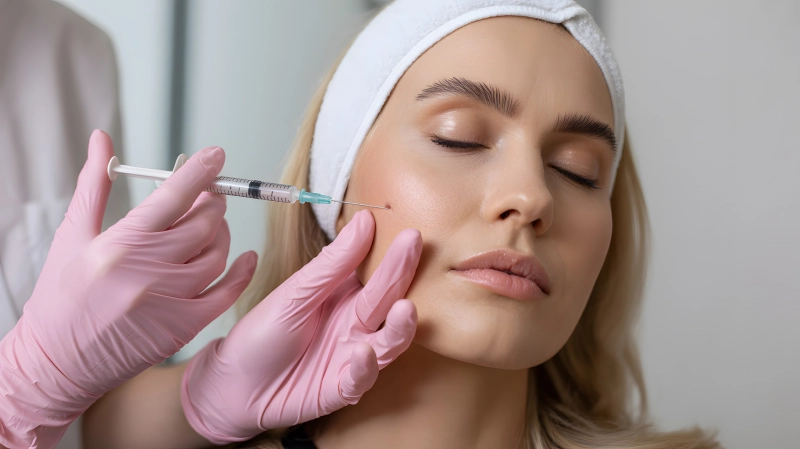
PDGF therapy also addresses key patient concerns, such as slow wound healing, loss of skin elasticity, and limited access to effective regenerative options. By stimulating natural repair mechanisms, Platelet-Derived Growth Factor offers a targeted, non-invasive solution that complements existing medical or cosmetic interventions.
Safety and Considerations
PDGF therapy has a favorable safety profile when administered by trained professionals. Most patients experience minimal side effects, such as mild redness or swelling at the treatment site. Because Platelet-Derived Growth Factor is a naturally occurring protein, it integrates seamlessly with the body’s repair processes.
Patients should consult qualified clinicians, such as those at Aspire Aesthetics, to determine whether treatment is suitable. Individuals with specific medical conditions or allergies should discuss potential risks with their healthcare provider. Following proper protocols ensures that Platelet-Derived Growth Factor therapy delivers consistent improvements in collagen and elastin production while minimizing complications.
Healthcare providers and patients can also discuss complementary treatments, such as microneedling or laser therapy, which may further enhance PDGF’s regenerative effects. By strategically combining therapies, clinicians can maximize tissue repair, skin rejuvenation, and patient satisfaction.
Enhancing Skin Health with Platelet-Derived Growth Factor
In conclusion, Platelet-Derived Growth Factor is a powerful signal for fibroblasts, stimulating the production of collagen and elastin, which are essential for strong, resilient, and youthful skin. Its role in regenerative medicine spans wound healing, aesthetic dermatology, and tissue repair, offering a scientifically supported method to improve skin function and appearance.
For patients and clinicians in Corpus Christi, TX, Platelet-Derived Growth Factor therapy provides a reliable, safe, and effective way to enhance natural skin repair. Aspire Aesthetics offers advanced Platelet-Derived Growth Factor treatments designed to support collagen and elastin production, improve recovery times, and optimize aesthetic outcomes. To explore how PDGF therapy can benefit your skin or your practice, unlock the benefits of PDGF-enhanced healing and schedule a consultation today.