Skip to content


Table of Contents
The difference between these two treatments comes down to depth. LaseMD Ultra® works at the skin’s surface and upper layers to improve tone, brightness, and texture, while Genius® RF Microneedling delivers energy below the surface to support firmness and structure. Both are available at Aspire Aesthetics and Wellness Clinic in Corpus Christi, TX, and the better choice depends far less on which device is stronger than on which concern bothers you most when you catch your reflection.
Most people searching for LaseMD Ultra Corpus Christi TX are already comparing it against radiofrequency microneedling, since both are described as smoothing, refreshing, and collagen-supporting. Below is what each one actually targets, which concerns point toward which device, and how our providers decide between them.
How do I know if I need LaseMD Ultra or Genius RF Microneedling?
LaseMD Ultra is usually the better fit for tone, brightness, sun damage, and surface texture, while Genius RF Microneedling is better suited to mild skin laxity and loss of firmness. A provider assessment during a consultation confirms which option matches your skin.
What LaseMD Ultra® Does for Your Skin
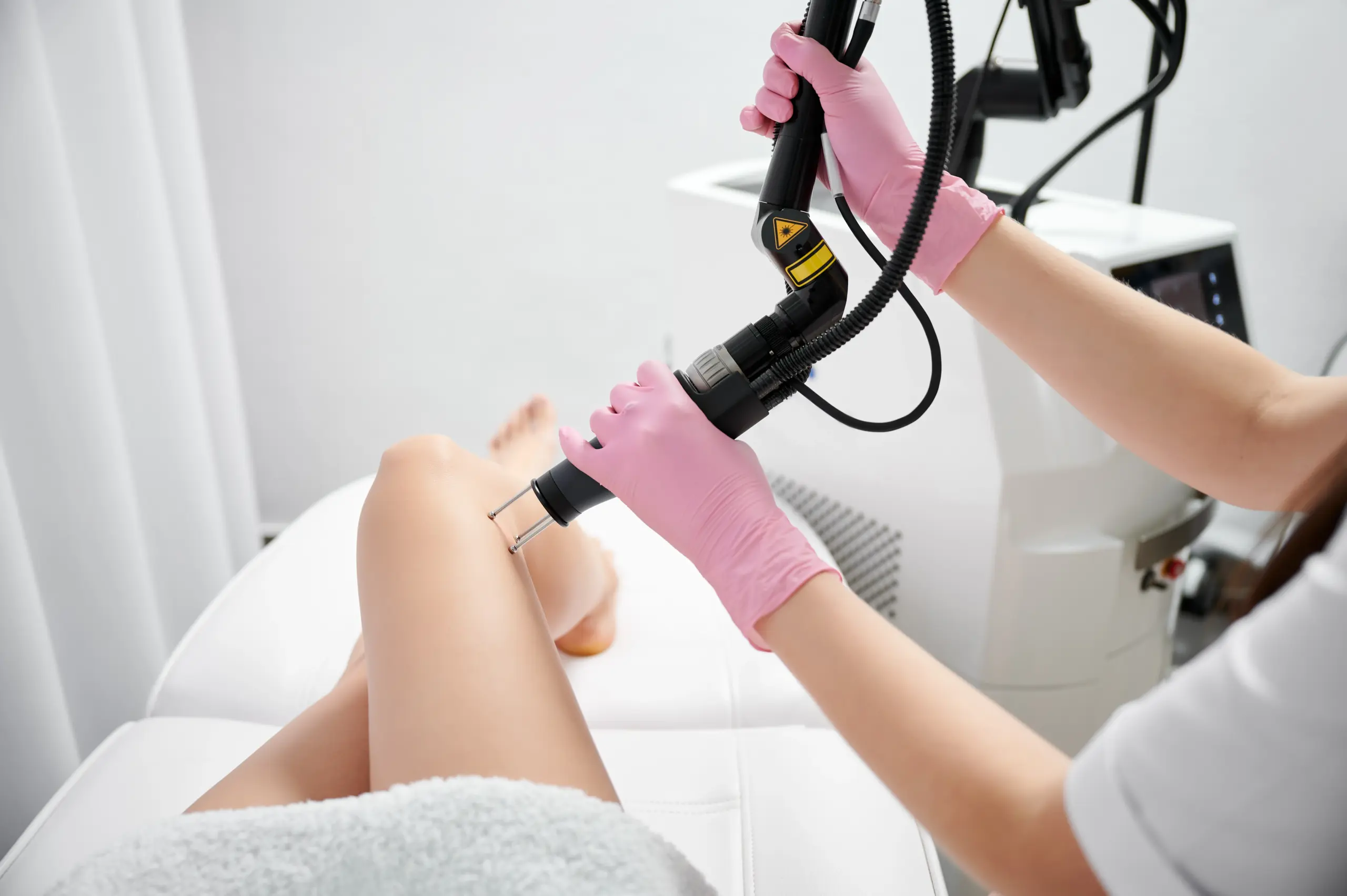
A LaseMD Ultra treatment resurfaces and renews the skin from the top down. It is a non-ablative laser, meaning it creates controlled microscopic treatment zones without removing the full surface layer. Those zones prompt the skin’s natural renewal process, which is why this device is associated with brighter, more even, smoother-looking skin.
Those same treatment zones also allow specially selected serums to absorb more effectively immediately after the pass, a step that sets this device apart from most laser skin resurfacing options. Understood correctly, LaseMD Ultra® is a skin quality and clarity treatment rather than a tightening treatment, and patients who expect lifting from it are usually measuring it against the wrong goal.
What Genius® RF Microneedling Does for Your Skin
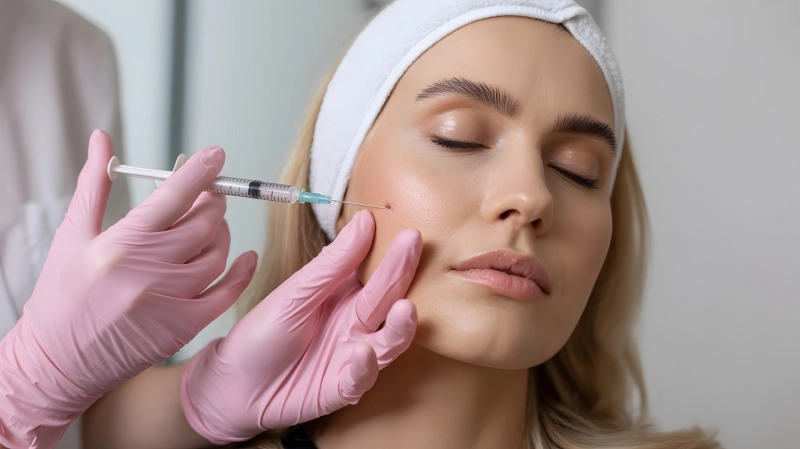
Genius® RF Microneedling works beneath the surface, not on it. The treatment pairs microneedling with radiofrequency (RF) energy, which is heat energy delivered at a controlled depth to support the skin’s natural collagen response in the deeper layers of the skin.
Because of that depth, it is commonly recommended for the appearance of firmness, fine lines, and uneven or textured skin. Results tend to build gradually over weeks and months as collagen activity continues, rather than appearing as the immediate glow patients notice after a surface resurfacing session. Patience is part of the trade-off here, and most patients find it worthwhile when laxity is the concern.
Surface Renewal Versus Deeper Collagen Support: The Real Difference
One treatment renews from the top down, the other stimulates from the inside out. Depth of energy delivery is the honest dividing line between them, not which device is newer, more powerful, or more talked about online.
Neither is an upgrade of the other. A brighter, clearer complexion and a firmer, better-supported one are different outcomes, and the equipment that produces each is built differently for good reason. Choosing on perceived strength alone is the most common way patients end up disappointed, because a strong result in the wrong layer still leaves the original concern untouched.
Which Treatment Matches Your Skin Concern
Your primary concern is the deciding factor. Concerns that point toward a skin resurfacing Corpus Christi, TX approach with LaseMD Ultra® include:
- Dull, tired-looking skin and uneven tone
- Sun damage and discoloration, which makes LaseMD Ultra for sun damage a frequent request from patients who spend weekends on the water
- Enlarged pores and rough surface texture, where a skin texture treatment at the surface level is the practical starting point
- Melasma and post-inflammatory marks, which is why LaseMD Ultra for pigmentation is approached conservatively and with realistic expectations
Concerns that point toward Genius® RF Microneedling include mild skin laxity, softening definition along the jawline and cheeks, fine lines that remain visible when the face is at rest, and deeper textural irregularity such as some types of acne scarring. Plenty of concerns sit in between, and that overlap is exactly what a provider assessment sorts out.
How Your Skin Type and Tone Factor Into the Decision
Skin tone can narrow your options before concern does. Providers use the Fitzpatrick skin type scale, a classification from I (very fair) to VI (very dark), to judge which energy-based treatments are appropriate for a specific patient. Laser-based treatments carry more skin tone considerations than radiofrequency, since RF energy is not drawn to pigment the same way light-based energy is.
Recent sun exposure, active skin conditions, and current skincare or medications also affect candidacy, which is a real factor in a climate with year-round UV. Our Team reviews all of this in person, because no energy-based treatment is suitable for every patient or every skin tone.
Downtime and Treatment Timelines Compared
Both treatments involve short-lived, manageable recovery, though the character of it differs. Patients commonly describe mild redness, warmth, or sensitivity similar to brief sun exposure, and most return to normal daily life fairly quickly. Your provider will walk you through what to expect for the specific option chosen.
Session count and spacing differ between the two, which is worth knowing if you have a wedding, reunion, or holiday season on the calendar. Surface brightening from laser skin rejuvenation Corpus Christi TX patients often becomes noticeable within a few weeks, while firmness changes from radiofrequency treatment continue developing more gradually. Results vary from person to person in both cases.
Common Questions About Choosing Between LaseMD Ultra® and Genius® RF Microneedling
Is one more uncomfortable than the other?
Comfort is subjective, though most patients tolerate both well with topical numbing. Radiofrequency microneedling is typically described as more intense during treatment because the energy reaches deeper.
Can I switch from one to the other later?
Yes. Many patients start with the concern that bothers them most and reassess afterward.
Does either treatment help with acne scarring?
Radiofrequency microneedling is generally the better match for indented scarring, while surface resurfacing can help the discoloration scarring leaves behind.
Still Not Sure Which One Your Skin Needs?
You do not have to settle this from a search results page. Our providers will look at your skin, listen to what is bothering you, and recommend the option that fits, including a LaseMD Ultra treatment if that is the right match.
Schedule Your Laser Skin Treatment Consultation in Corpus Christi Today.